
Acton’s parks – Acton Park
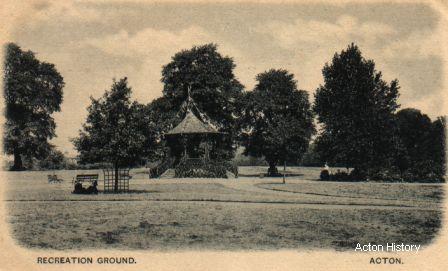
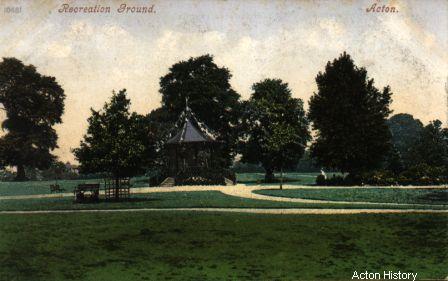
The Goldsmiths' Company had grand plans for the laying out of roads, and the construction of large houses on the land bounded by
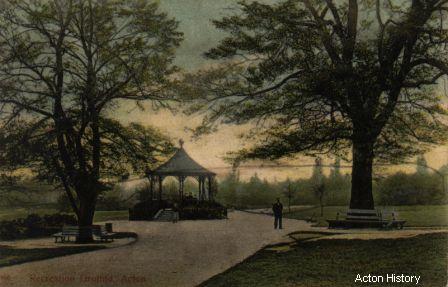
The Bandstand (which can now be located by a circular flower bed) is reputed to be the site of one of a number of windmills – this one being sited just beyond the Church Field – one of the common fields of
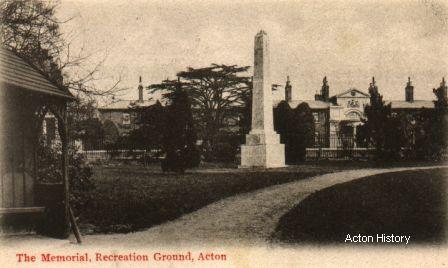
One of the features of the new park was the memorial removed from Derwentwater House, installed in 1904.
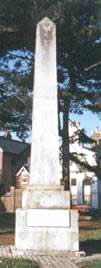
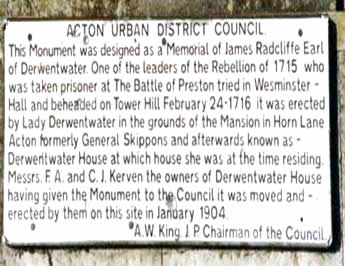
Whilst the wording on the label sounds a great story, the connection of James Radcliffe with
Derwentwater House Gates
They are not gates in any true sense since they never opened on to a road or path. Outside was the Church Field. A drawing by J.C.D. Engleheart of 1822 which shows the path to
Nicholas Selby bought Acton House in 1803. It was surrounded by a long wall. In the Garden to the north, he immediately built Derwentwater House, The Manor Court Books described plots in the Church Field on the other side of the wall by reference to "the iron gates of Mr Selby" (1843 - 1859).
The gates would have been roughly opposite the garden windows of Derwentwater House, probably of the principal rooms. It is most likely, that the ornamental gates were they placed there in the early 19th century to provide a break in the high wall to give a view of the countryside beyond.
Acton’s Parks – Woodlands Park
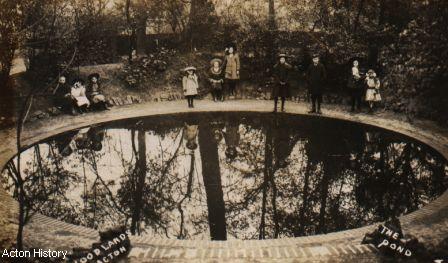
The original pond that was rebuilt in 2006. (DK)
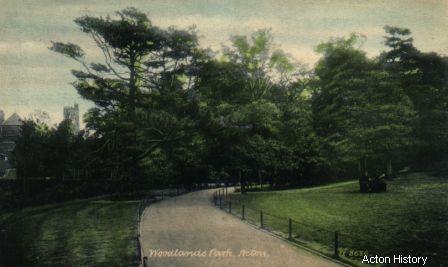
Edwardian view.
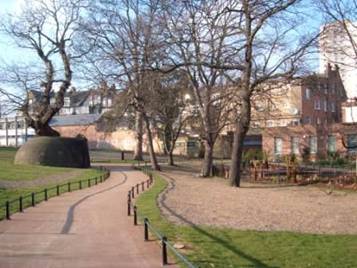
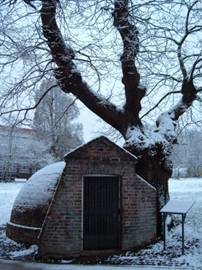
Views of the icehouse and the newly restored park taken in 2006 and 2007. (DK)
The former Woodlands House which fronted the High Street opposite the Steyne, together with about 6 acres of land was purchased by the local council in 1903 for the county school (most of the buildings of which still stand in the grounds of the college) and for the laying out of Woodlands Park. The grounds were restored in 2006, the icehouse excavated, and the former pond restored.
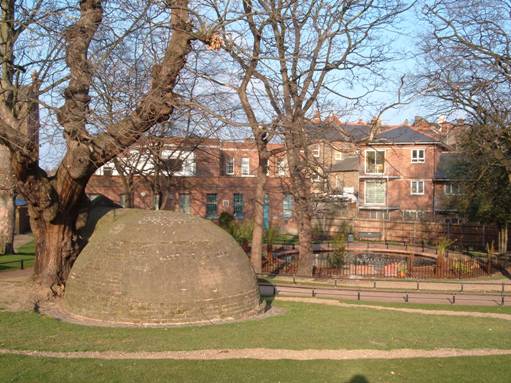
The former grounds of Woodlands House were restored in 2006 This shows the Icehouse, and the restored pond.
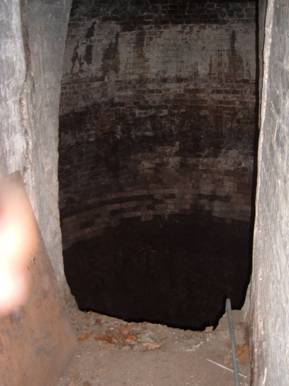
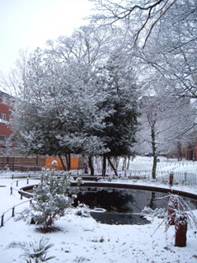
The Icehouse has been cleaned out and the ice well is now clearly visible.
Acton’s Parks – Springfield Park
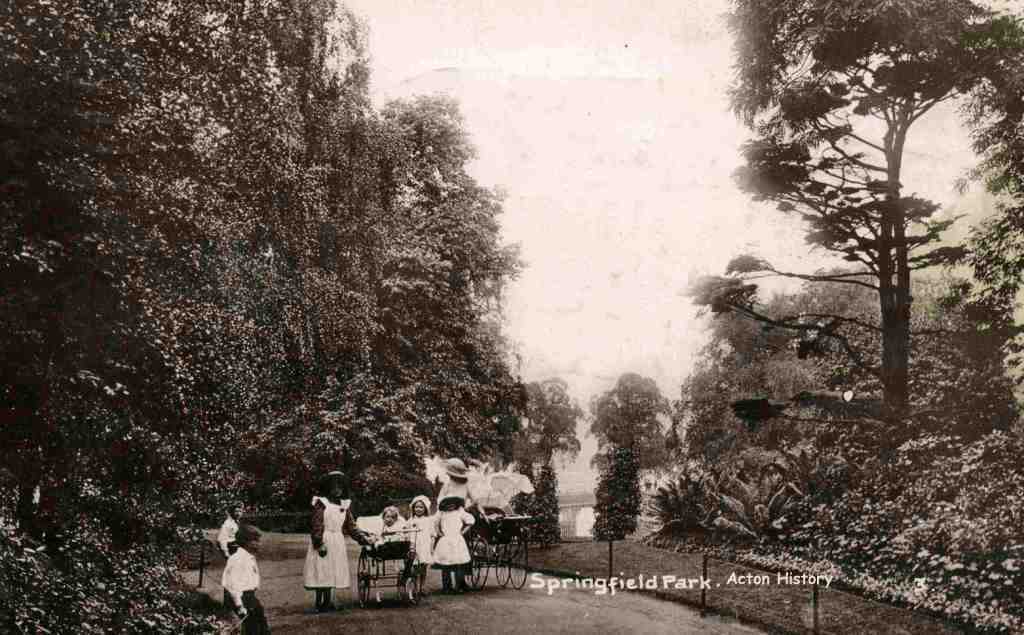
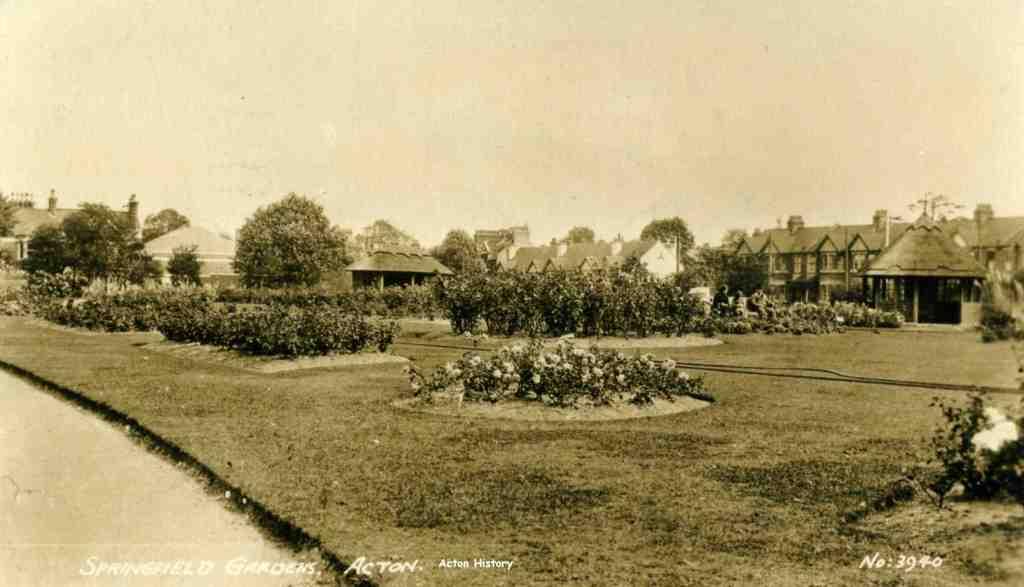
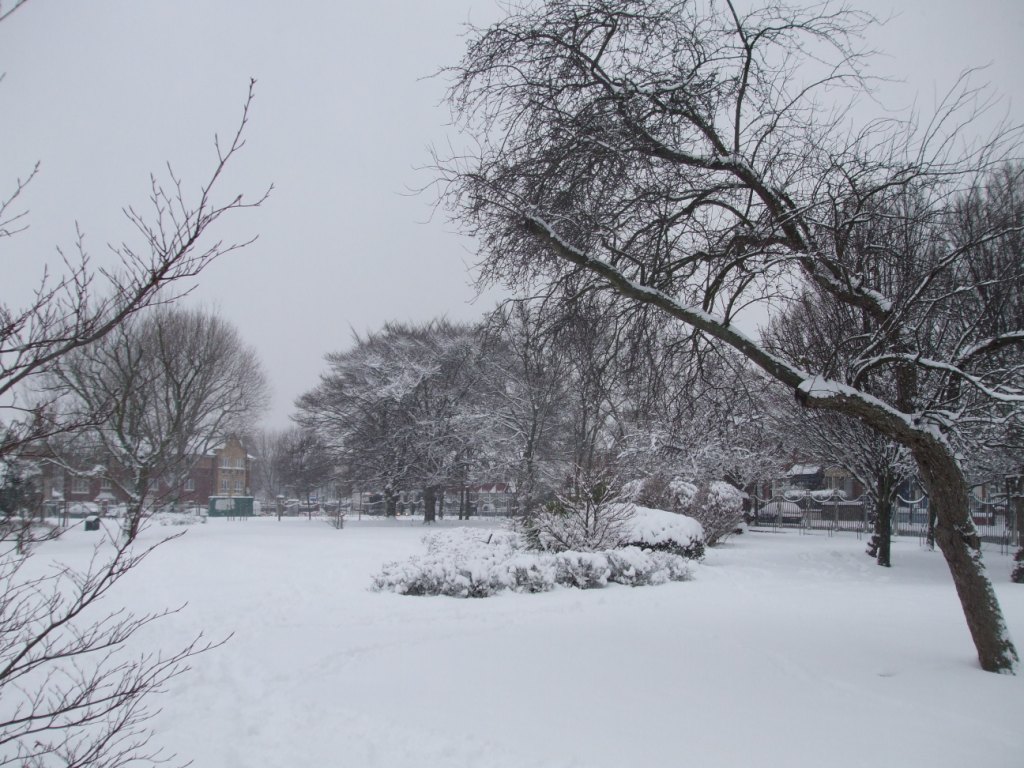
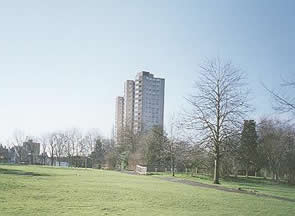
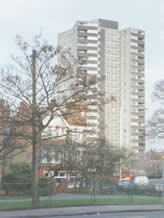
This park was built in the 1920's on the site of a gravel pit, and filled with the spoil from the construction of local sewers!
Acton’s Parks – Gunnersbury Park
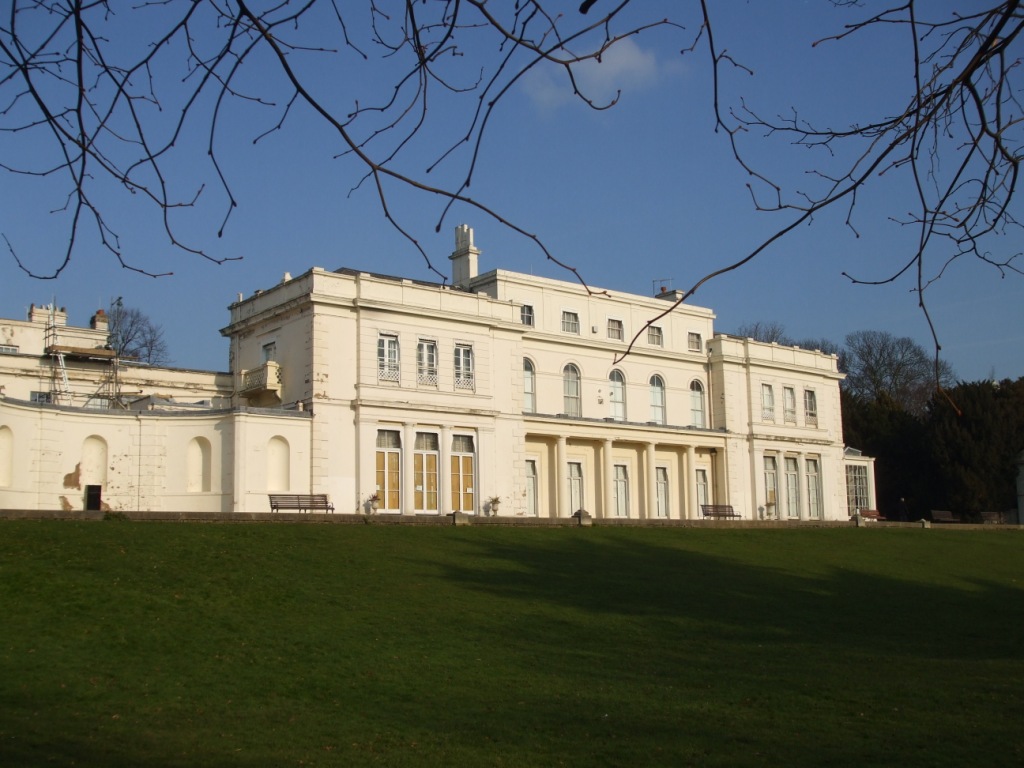
Most of the postcard images on this page have been provided courtesy of Mr Paul Lang. It is believed that all the images of old postcards on this page are out of copyright.