
Cinema History in Acton
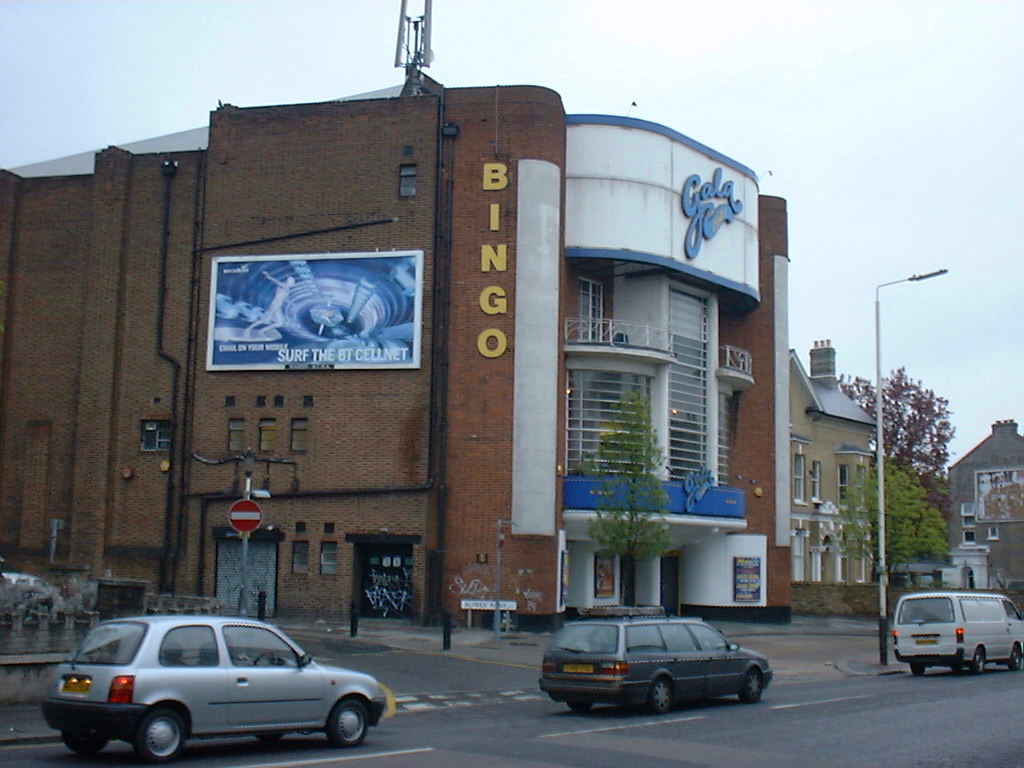
The Granada On the Uxbridge Road was formerly called the Dominion, and was opened by Gracie Fields in 1938 in front of many fans. However as cinema going declined and it was sold only to re-open later as a bingo hall in 1972. Inside many of the 1930's architectural features remain. The seating in the circle is still in its original position, but in the stalls it has been removed to provide space for tables and chairs for bingo patrons. As was as often the case with cinemas of this era, a cafe was built on the first floor, beyond the large circular reception area. After a short perioid of use as a church, the premises is now The Arch climbing centre.
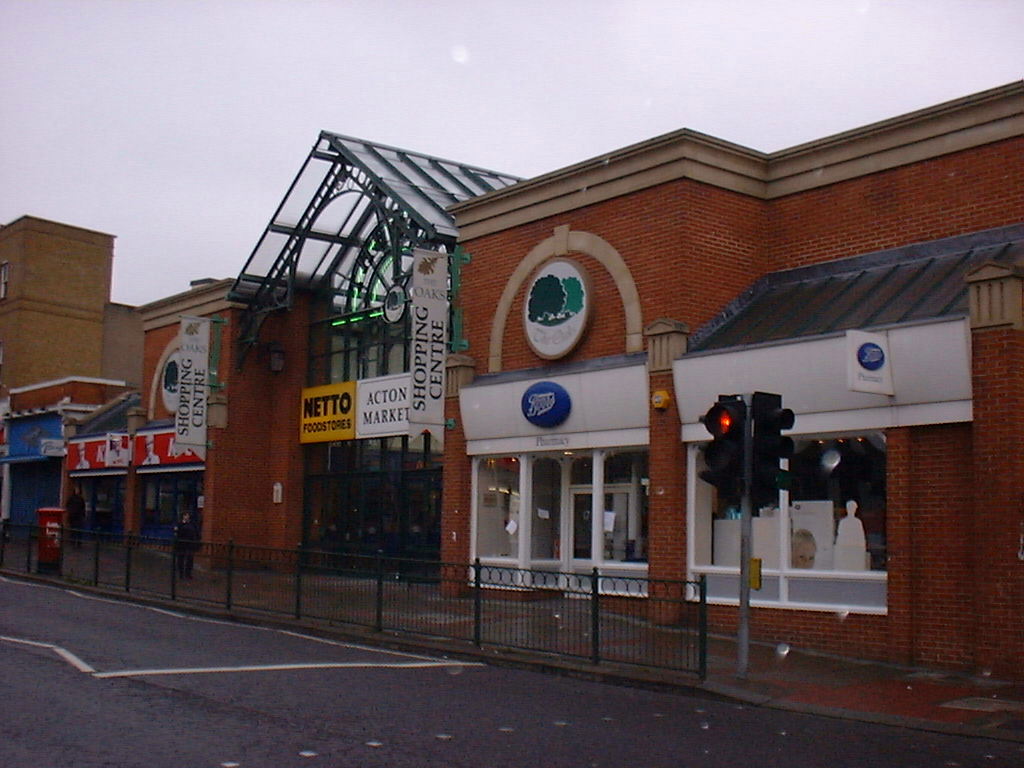
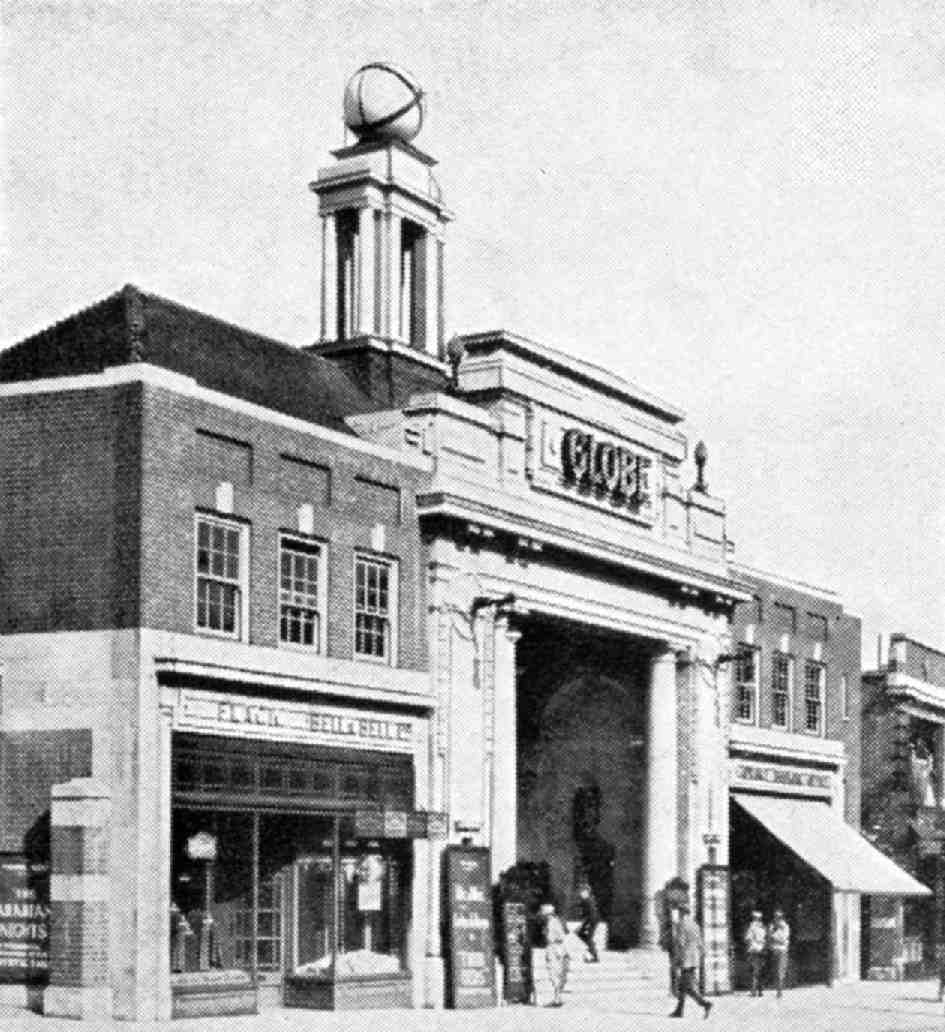
The site of The Globe is where the Oaks Precinct now stands. From the opposite side of the road it is possible to notice architectural features showing where this popular cinema once stood. It was designed by P. G. Pratt and built by Ferris Bros. The opening ceremony on 1st April 1921 was performed by Lady de Freface- the former Vesta Tilley. An orchestra played there for silent films in what was said to be Britain's largest cinema. In 1929 the Globe was the first cinema in Acton to be equipped for sound.
Charlie Chaplin was supposed to appear in person at the Globe that year, but he failed to materialise, much to the disappointment of the waiting crowds. The cinema was the venue for the reading of Acton Charter of Incorporation that same year. The Globe was sold to Messrs Richardson and Giffen in 1922. Four months later there w as a fire in the engine room- after which a meeting of creditors was held, and the company was wound up. Early in 1923 when the cinema was back in business, it showed films such as Oliver Twist starring Jackie Coogan. and there was also a special charity performance that year to raise money for victims of an appalling Japanese earthquake. In 1935 the Globe closed for modernisation, and was subsequently re-opened in July by the Mayor of Acton. Talent contests and stage turns were a common feature within programmes and the Crowning of the Queen of Song took place there.
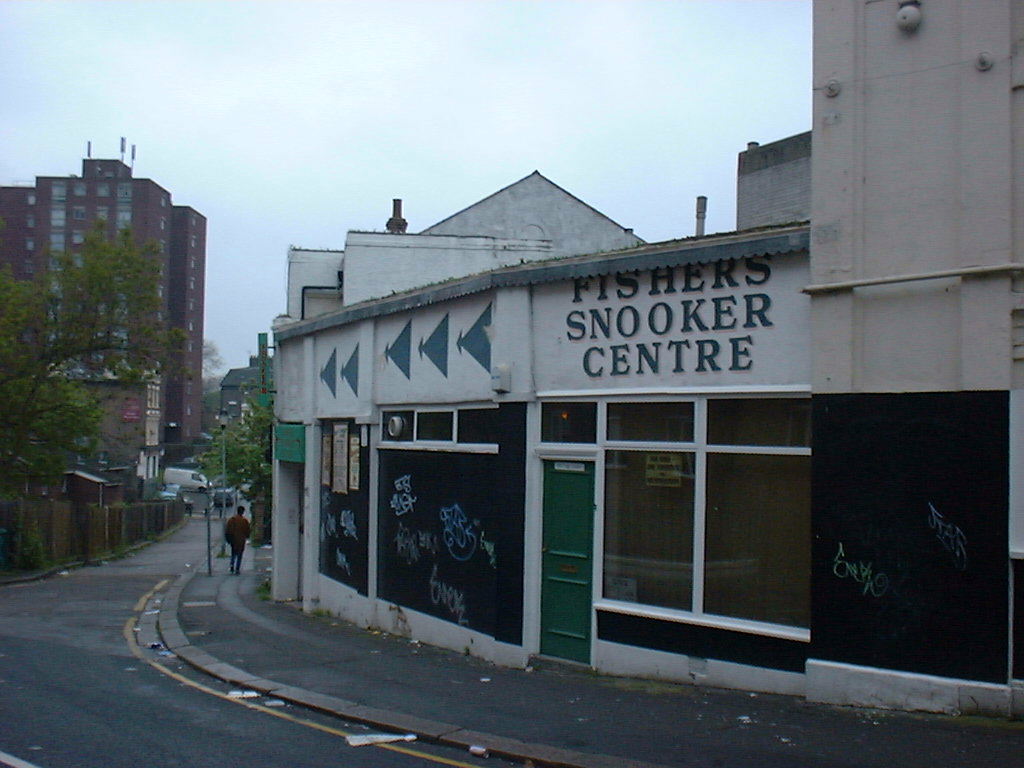
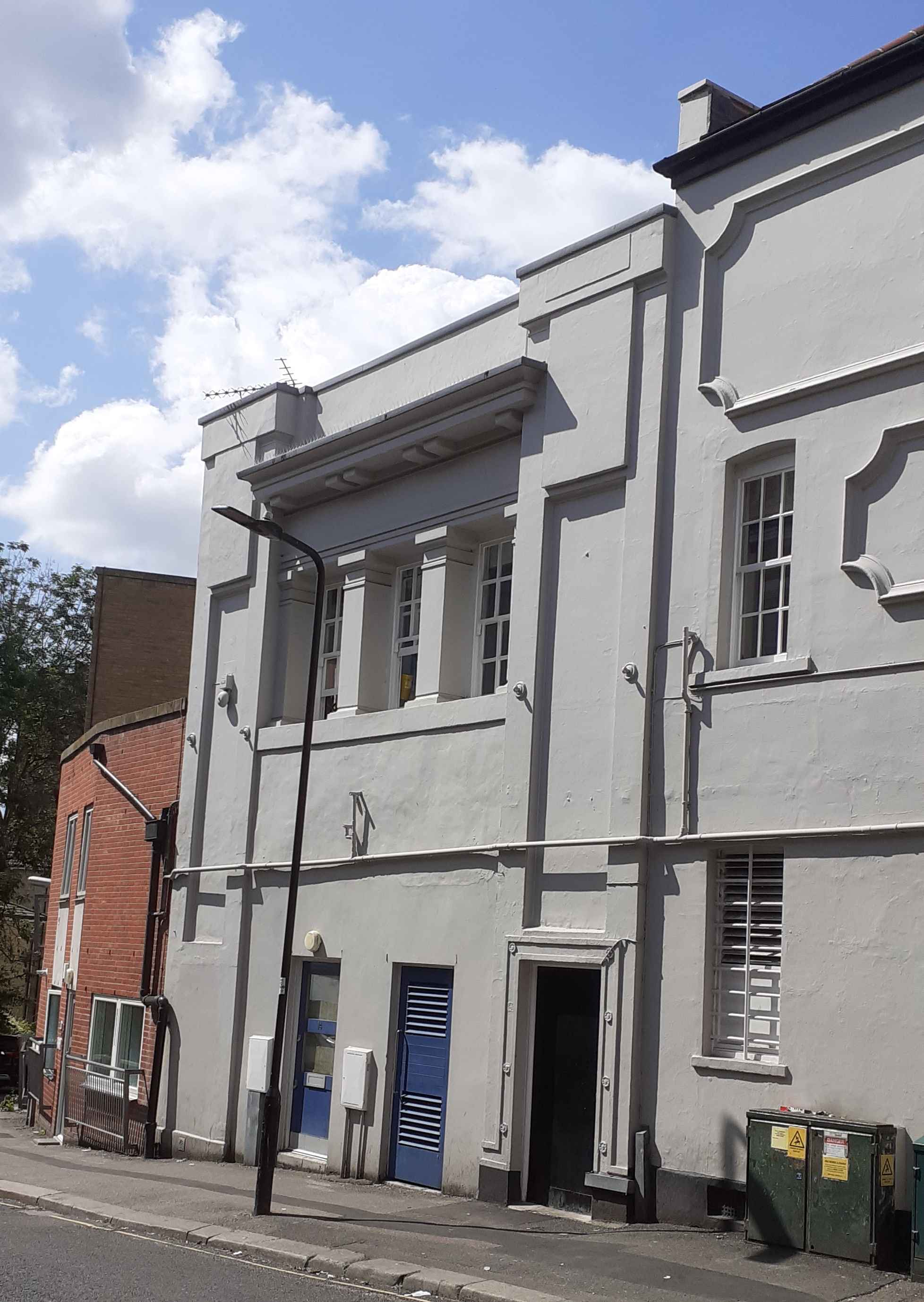
Further on is the building that was once the Crown cinema in Mill Hill Place. When it was built in March 1911, new government regulations caused the original plans to be amended. Once opened, regular advertisements soon appeared for the programmes. By 1922 The Crown had engaged a nurse to look after babies thereby allowing mothers to attend afternoon film performances. At a meeting of the creditors in 1923 it was decided to sell the Crown. The following year it was purchased by M. R. Bulley M.D. of the Kinema. West Ealing and five months later after total refurbishment there was a grand re-opening. The cinema - known locally as the Flea-pit - continued to flourish- it was cheap and cheerful. and had double seats for courting couples in the back row! Considerably altered, this building was used as a snooker hall and store house. The auditorium of the premises were demolished in 2003, and are being replaced with a housing development, but the entrance block remains with a lot of its ornamentation.
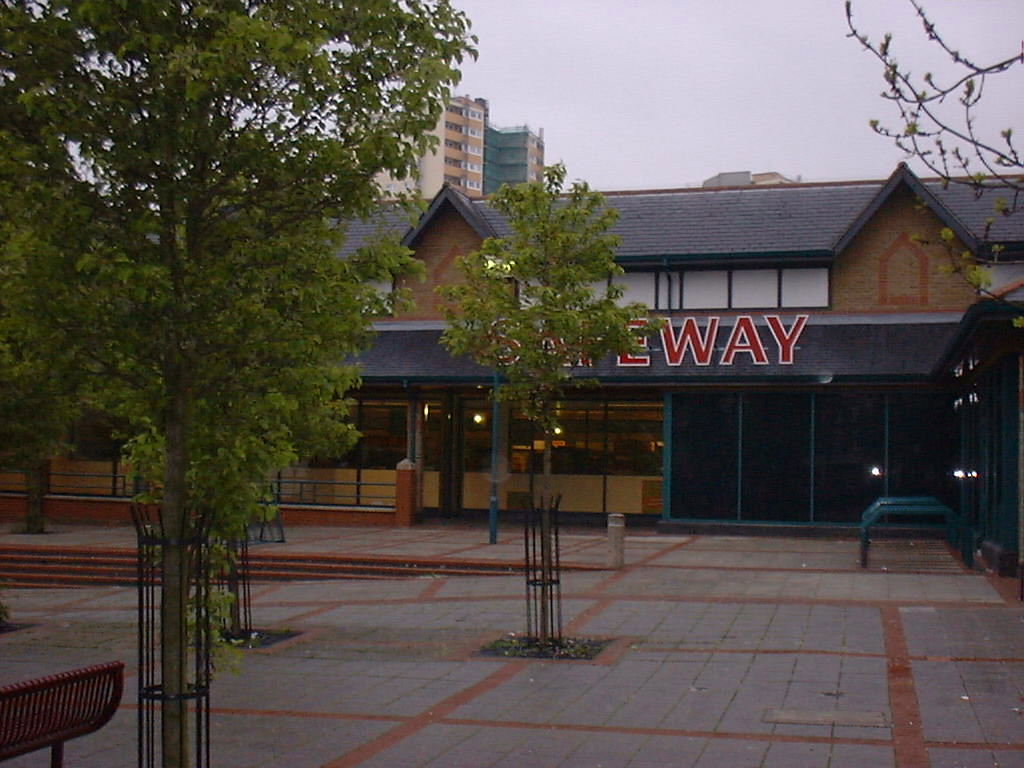
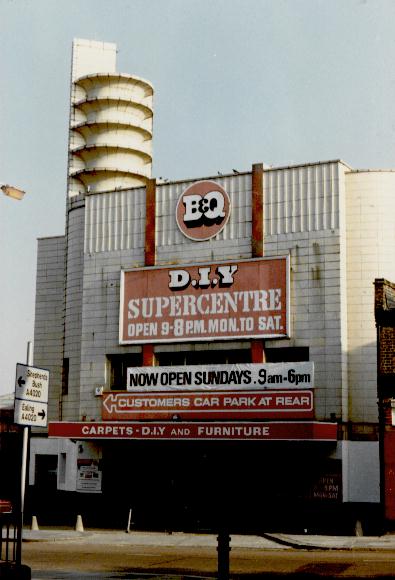
In King Street it is not possible to see where the Odeon once stood It was opened by Hubert Duggan M.P. on Odeon Cinema on the 8th November 1937. The Cinema closed in 1975 and ended its days as a B&Q store before being demolished to make way for Safeways (now Morrisons).
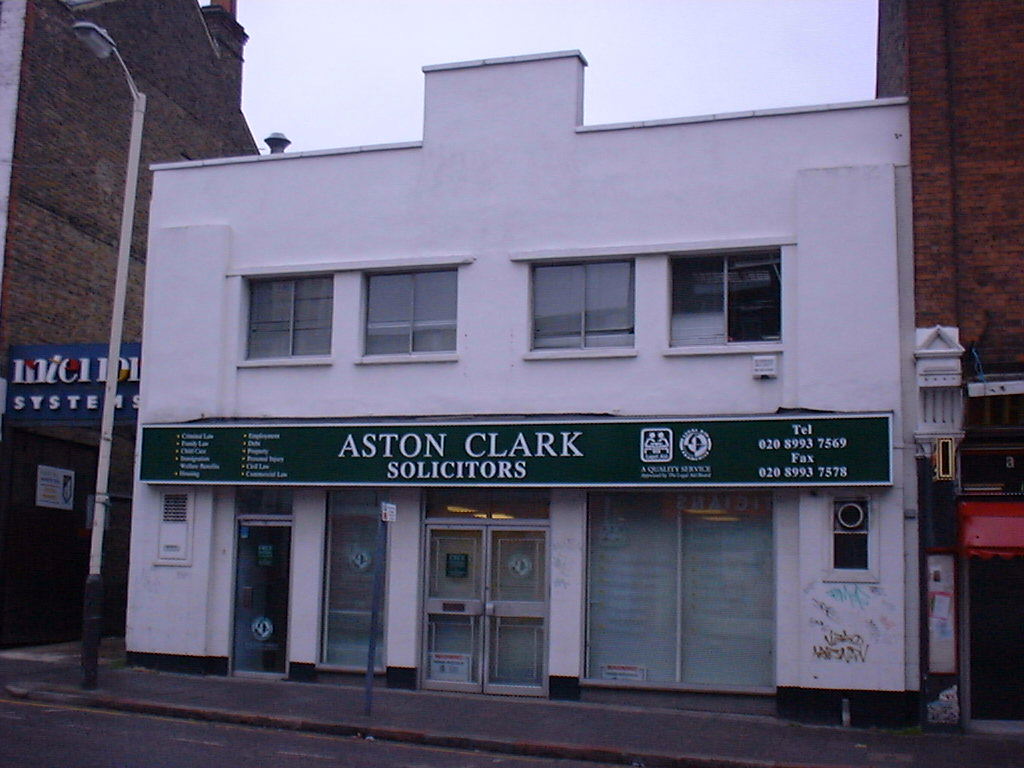
At 10 Horn Lane was the the first cinema,opened on Dec 26th 1909, as the Acton Cinematograph Theatre which showed a continuous programme, with tickets costing 3d. or 6d.It had 580 seats and a small orchestra to accompany the silent films. Its programmes were advertised regularly in the local press. At various times it was known as the Kinema, Carlton or Rex. In 1933 it was modernised and redecorated. Piano accompaniment was provided for the films by Read' s Music Salon. Films were shown on Sundays as well as weekdays, and by 1937 the 3d.children's matinees were a regular feature at 9 o' clock on Saturday mornings. Children with lucky numbers stuck under their seats were awarded prizes. Serials were very popular, especially those featuring buck Rogers and Tom Mix. It was closed in 1938 for rebuilding, in the course of which a tunnel from Acton House under Horn Lane was found. The building, together with the adjacent shop fitters premises, has recently been replaced by a housing complex.
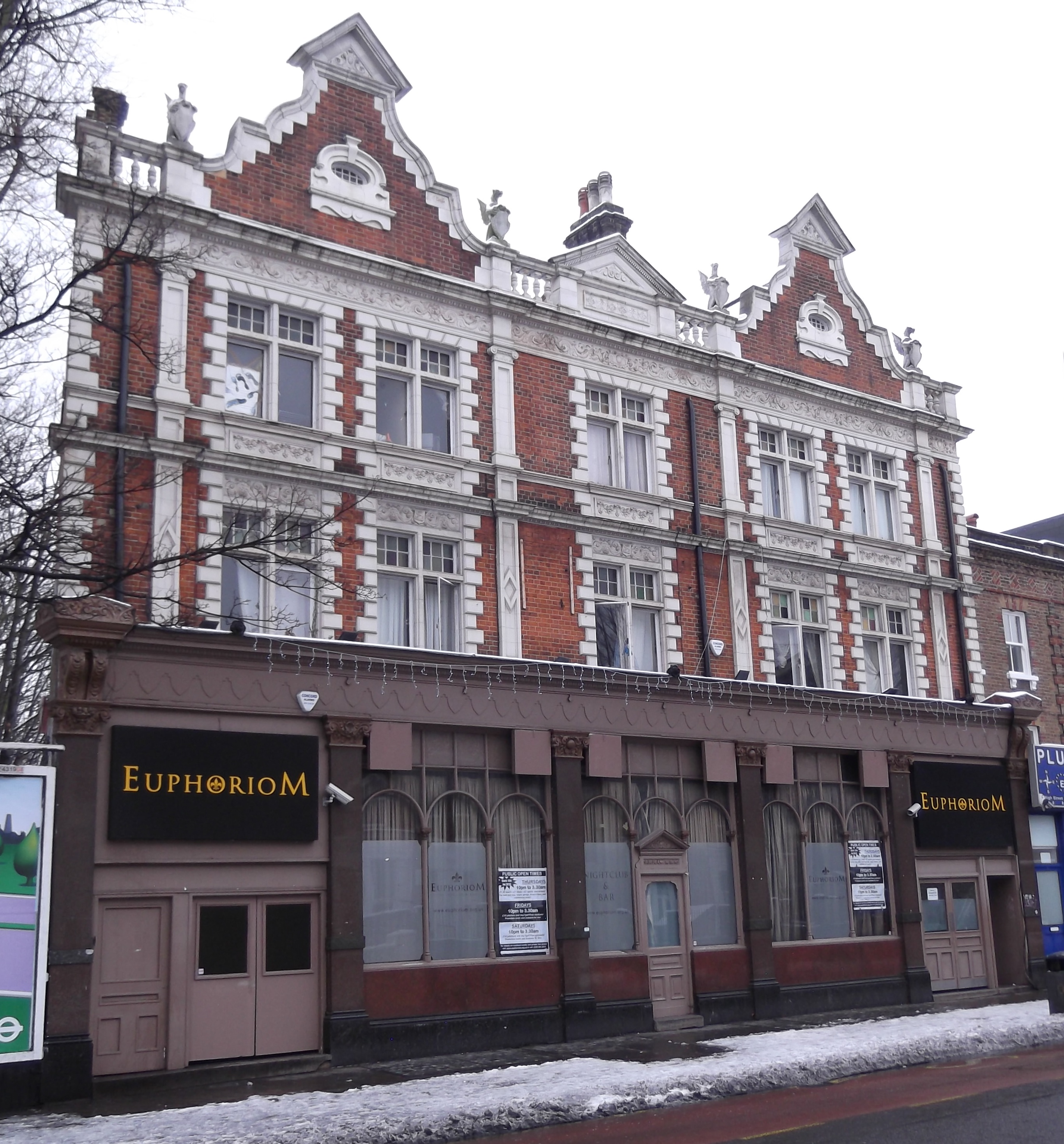
Local entrepreneurs opened The Film Location, within the former Railway Tavern on the High Street. This small 100 seat cinema later became the Acton Screen and it remained a community focused cinema until it closed in 1989. The ground floor is unused and the upper floors now apartments.
A new multi-screen cinema was opened in 1994 in the Park Royal area- alongside the Western Avenue, under the Warner and later Vue brands, but this too has now closed in 2020, and is now awaiting development.
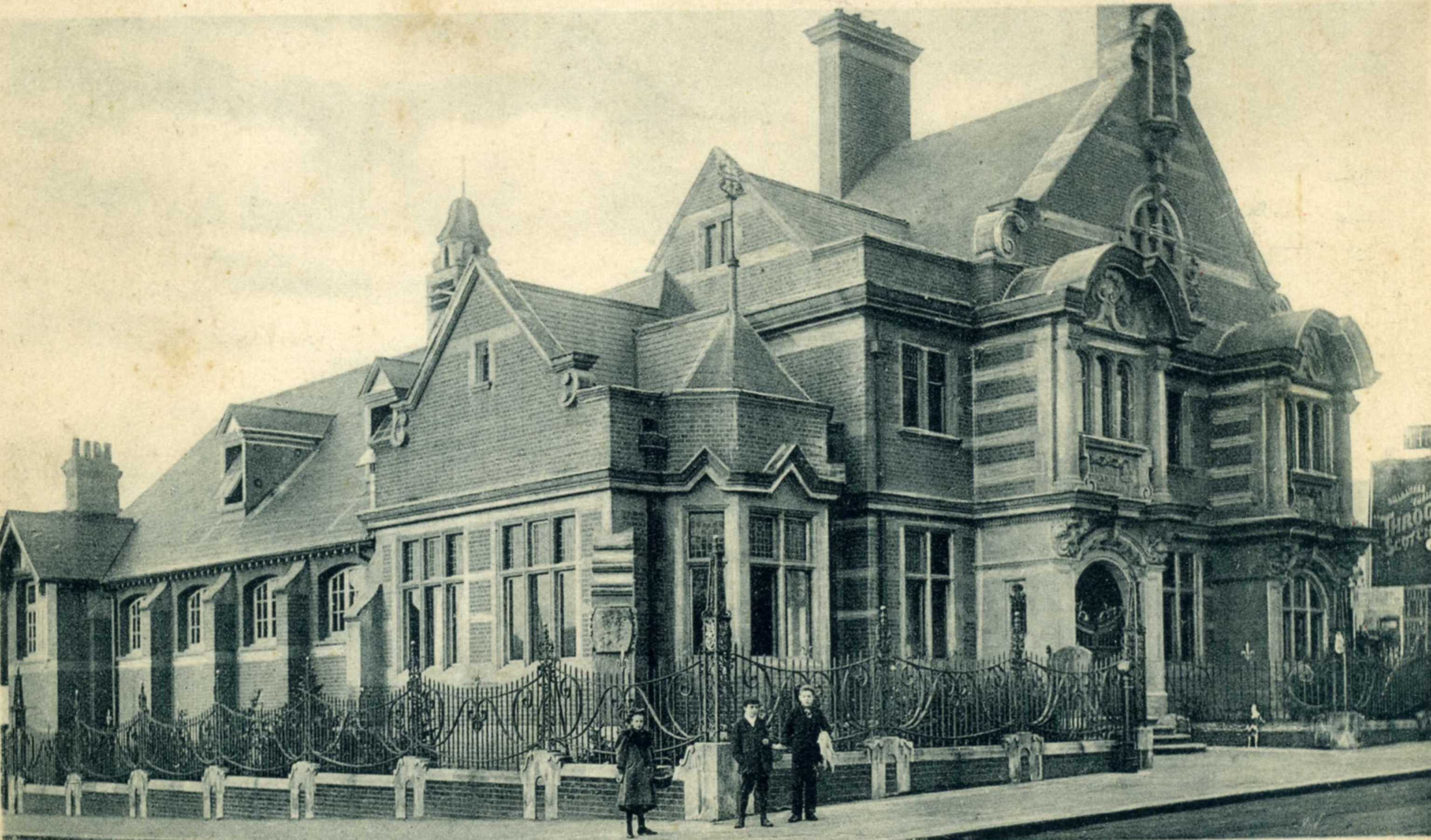
The Library at Acton was opened 120 years ago by the American Ambassador Joseph Choate. The building was designed by Maurice Adams FRIBA, and was partly funded by a grant of £4,000 from the philanthropist J Passmore Edwards.
The total cost of the building was £6,690, and was provided with some 8,000 volumes of wholesome literature. The large number of industrial premises in the area required the library to have a technical section, which in the 1950's and 1960's had the reputation of being the best in West London.
The Grade II listed building is situated opposite the former Acton Town Hall and near Acton Central Station. The red-brick property has an ornate façade fronting Acton High Street (A4020). It consists of two storeys with part third storey. It is part of a set of historic civic buildings including the Town Hall, swimming baths and Magistrates’ Court, which is sometimes known as the Redbrick Quarter because of their distinctive appearance. It was gifted to the people of Acton in 1900 by Passmore Edwards.
It closed as a library in 2014, but is now the the Act One Cinema with a 60 seat auditorium fully equipped with the latest digital cinema technology and an eventual aim to build a second screen.